

What is Awaab's Law?
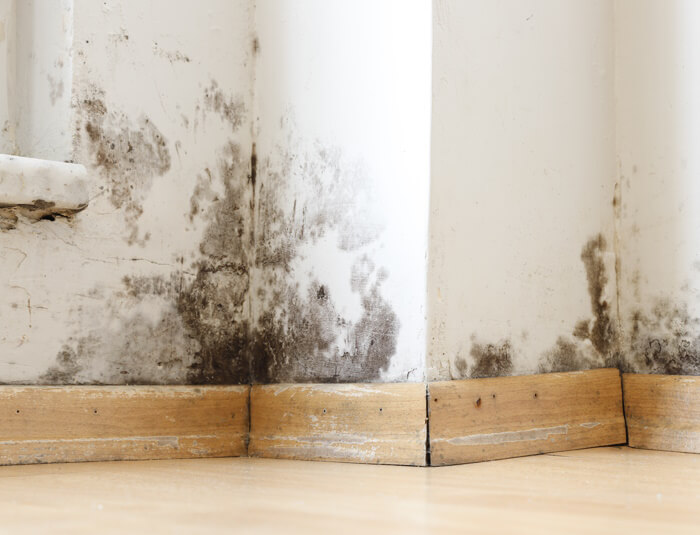
Awaab’s Law marks a pivotal change in the UK’s housing regulations, aiming to enhance living conditions and safeguard tenants’ rights.
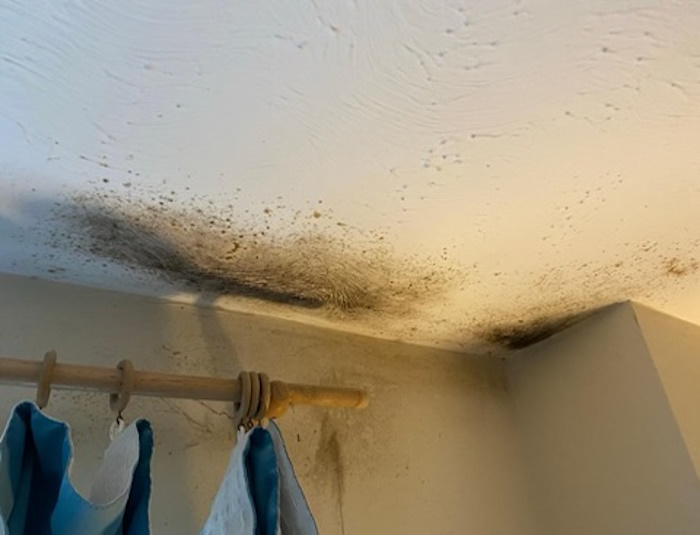
The law is named after Awaab Ishak, a young child who tragically passed away due to long-term exposure to mould in social housing. Its purpose is to prevent such tragedies by increasing landlord accountability.
For both landlords and tenants, understanding Awaab’s Law is essential, as it introduces new responsibilities and standards that will significantly affect the housing sector.
Safety First Approach
Prior to starting any work, our team will carry out a full method statement and risk assessment which are available upon request
Highly Qualified
Our team of expert cleaning professionals have extensive experience in the industry and have received specialist training in their areas
Competitive Rates
We're proud to be able to offer some of the most competitive rates in the UK and will guarantee to beat any like-for-like quotation
Fast Response Time
We understand the urgency of our clients' needs so we aim to be on site within just 2 hours of receiving your initial contact
Contact us today for a free quotation
We offer a bespoke cleaning solution for commercial premises
Background of Awaab’s Law
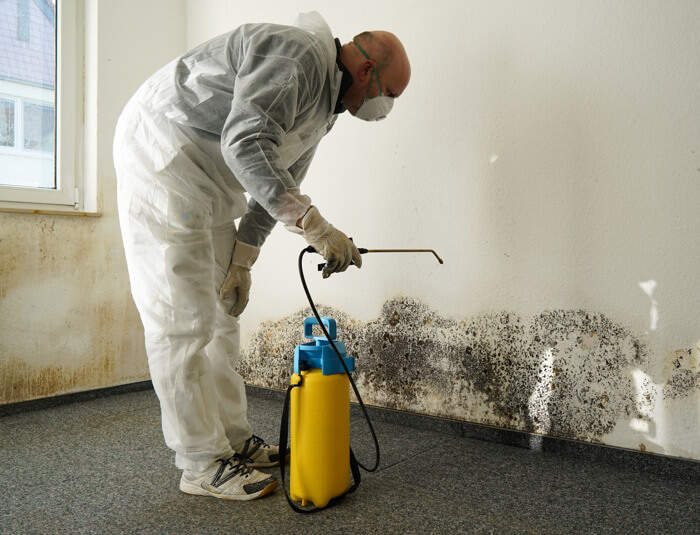
Awaab’s Law was initiated following the heartbreaking death of Awaab Ishak in December 2020. Awaab’s family lived in a flat managed by Rochdale Boroughwide Housing (RBH), where persistent mould issues were reported but not effectively addressed.
Despite multiple complaints and a warning from a doctor about the health dangers, the problem remained unresolved. The inquest into Awaab’s death exposed serious failures in RBH’s handling of the situation, underscoring the need for legislative action to prevent similar incidents. The case received national attention, sparking public outrage and demands for reform.
In response, the UK government drafted and enacted Awaab’s Law, targeting improvements in housing standards and ensuring prompt responses to health hazards in rental properties.
Implementation of Awaab’s Law
Awaab’s Law is scheduled to take effect in December 2024, requiring landlords across the UK to adhere to the new regulations designed to protect tenants’ health and safety.
- Bin Sheds
- Car Dealerships
- Care Homes
- Colleges
- Commercial Units
- Crime Scenes
- Hair Salons
- Homes
- Hotels
- Nurseries
- Offices
- Pubs
- Restaurants
- Schools
- Universities
Key Aspects of Awaab’s Law
Awaab’s Law introduces critical measures to protect tenants and ensure landlords maintain safe living environments. The law specifically targets issues like dampness and mould in social housing, alongside other environmental health concerns. Below are the main features of this legislation in the UK.
Compulsory Health and Safety Inspections
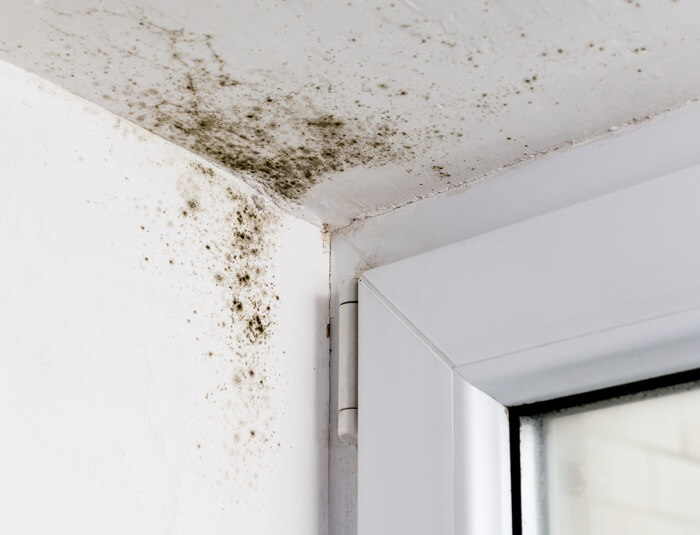
Landlords are now obligated to carry out regular health and safety inspections on their properties. These inspections must identify and rectify problems such as dampness, mould, and other hazards that could jeopardize tenants’ health.
Prompt Repairs and Maintenance
The law enforces strict deadlines for landlords to address reported issues. For example, landlords must initiate repairs for serious health risks within 14 days of receiving a complaint.
Tenants’ Rights to Independent Assessments
Tenants are empowered to request independent assessments if they feel their landlord is not adequately addressing health and safety issues. These assessments can be conducted by local authorities or certified health officers.
Consequences for Non-Compliance
Landlords who do not adhere to Awaab’s Law will face substantial penalties, including fines and potential legal action. Continuous non-compliance can result in more severe repercussions, such as losing the right to rent out properties.
Landlord Accreditation Program
The law introduces a nationwide accreditation program for landlords, promoting adherence to housing standards. Accredited landlords may benefit from perks like lower insurance premiums and access to government funding for property improvements.

Contact us today for a free quotation
We offer a bespoke cleaning solution for commercial premises

The Impact on Landlords of Awaab's Law
Awaab’s Law introduces significant changes for landlords, placing greater emphasis on tenant safety and property upkeep.
Heightened Responsibilities
Landlords are now required to adopt a more proactive stance in managing their properties. Regular inspections and swift action on maintenance issues are critical to avoiding penalties. This shift means landlords must dedicate more resources and time to ensuring their properties meet the law’s standards.
Compliance Expenses
Meeting the new regulations may involve considerable expenses. Landlords might need to invest in training, hire additional personnel, or upgrade their properties to comply with the new standards. Although these investments can be costly, they can also lead to improved tenant satisfaction and potentially increase property values.
Legal and Financial Risks
Failure to comply with Awaab’s Law can expose landlords to significant legal and financial risks. Fines for not addressing health hazards can be steep, and legal disputes can be expensive and damaging to a landlord’s reputation. Staying informed about the law and adhering to its requirements is essential to avoiding these risks.
Advantages of Accreditation
Participating in the landlord accreditation scheme offers various perks. Accredited landlords can boost their reputation, attract more tenants, and potentially gain access to financial incentives. This program encourages landlords to maintain high standards and continuously improve their properties.
Impact on Tenants of Awaab's Law
Awaab’s Law significantly enhances tenant protections, ensuring safer and healthier living conditions.
Strengthened Tenant Rights
Tenants now have stronger rights when it comes to reporting and resolving health hazards. The law ensures that landlords must respond promptly to complaints, reducing the risk of prolonged exposure to unsafe conditions.
Access to Independent Assessments
If tenants feel their concerns are not being addressed, they can request independent inspections. This provision empowers tenants to seek resolution without relying solely on their landlord’s actions.
Improved Living Environments
The law’s focus on regular inspections and prompt repairs leads to better living conditions. Tenants can expect healthier environments, free from hazards such as mould and dampness, which contributes to their overall well-being.
Legal Support and Advocacy
Awaab’s Law establishes a framework for legal support and advocacy for tenants. Housing rights organizations can offer guidance and assistance, helping tenants navigate legal issues and assert their rights effectively.

Conclusion
Awaab’s Law represents a transformative change in UK housing regulations, providing essential protections for tenants and outlining clear responsibilities for landlords. By requiring regular inspections, timely repairs, and strong enforcement mechanisms, the law aims to prevent tragedies like Awaab Ishak’s death and promote safe living conditions for everyone.
Both landlords and tenants need to understand and adapt to these changes to foster healthier, safer, and fairer housing across the country.
How We Can Assist
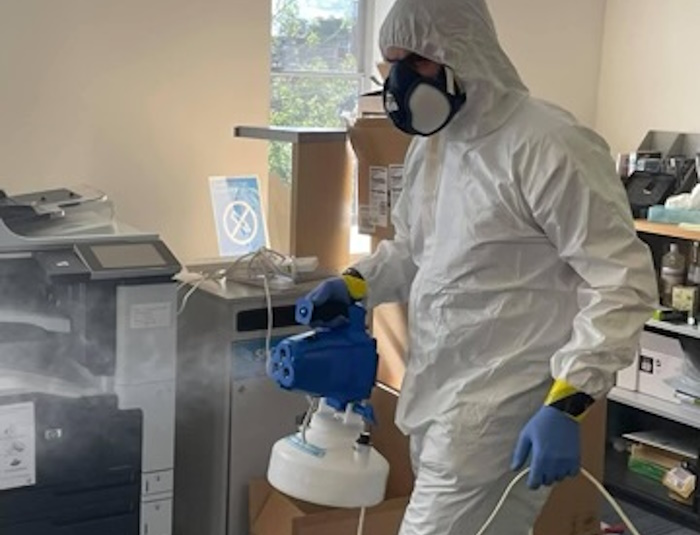
For landlords and tenants dealing with issues like damp and mould, Bio Response offers expert services tailored to meet the requirements of Awaab’s Law. Ensuring your property is free from damp and mould not only meets legal standards but also supports healthier living conditions for tenants.
